
In Japan, a shrine (jinja, 神社) is a place of worship in Shinto, the indigenous religion that honours kami (神) — sacred spirits tied to nature, ancestors, heroes, and remarkable places. Unlike a church or temple built mainly for sermons, a shrine is a living threshold between everyday life and the sacred: a grove, a gate, a hall, and open ground where people pause, bow, and leave offerings.
Shrines appear throughout daily life in Japan. Neighbours visit a local ujigami shrine for protection; students pray for exams at a Tenjin shrine; merchants favour Inari shrines; families buy omamori charms and draw omikuji fortune slips; and at New Year millions attend hatsumōde (初詣), the first shrine visit of the year. Festivals (matsuri), weddings, and seasonal rituals still centre on shrine communities, even when faith is quiet or personal.
Many shrine grounds also overlap with the world of folklore on this site. Fox messengers at Inari shrines connect to kitsune legends; thunder kami echo Raijin; boundary stones and sacred trees often appear in yōkai tales. Understanding shrines helps place those creatures in their real cultural setting — not only as story monsters, but as beings once approached with respect at the altar.
Search by name, prefecture, city, or shrine type below. Each listing notes enshrined kami, location, and a short description where available. Open a shrine page for maps, visitor notes, and links to official sites when we have them.
30,440 shrines found

横浜市, 神奈川県
Ōkuninushi no Kami相州春日神社 is a Shinto shrine located in the Minato Ward of Yokohama City, Kanagawa Prefecture. Th...
View shrine →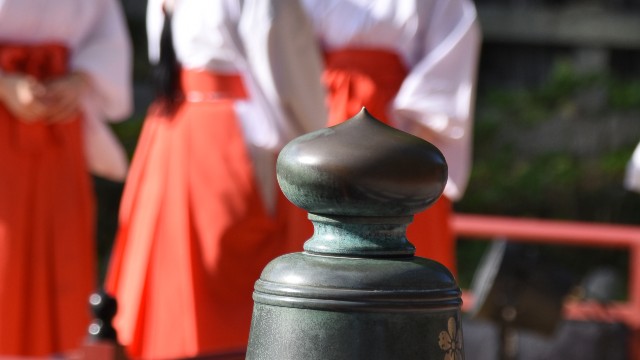
小田原市, 神奈川県
Hachiman OkamiLocated in Odawara, Kanagawa Prefecture, City of Kawachi, Fujikawa district, the Michi no Mikasa Shr...
View shrine →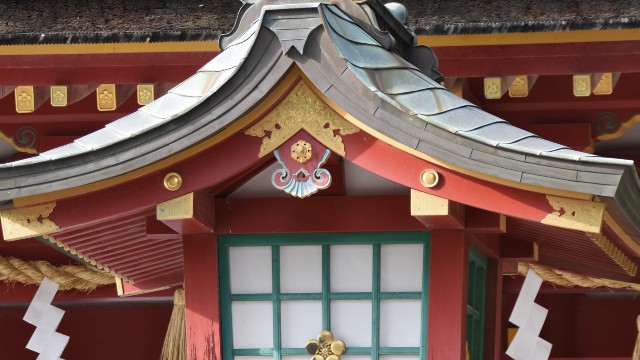
小田原市, 神奈川県
HachimanNinna-ji Temple's lesser-known cousin, Kamakura's Bear Park Shrine (Ko no Hachiman Shrine) is a tran...
View shrine →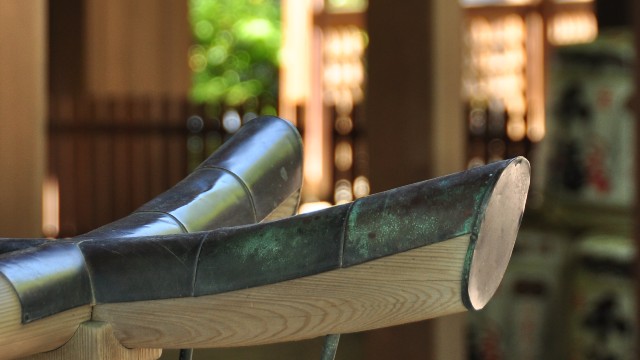
小田原市, 神奈川県
Susanoo-no-MikotoKoedo Shrine, located in small-town Odawara, Kamakura Prefecture, was constructed during the late He...
View shrine →
小田原市, 神奈川県
Sama-no-OkamiThe Sāmoryūjin Shrine, located in Odawara City, Kanagawa Prefecture, is dedicated to the deity of wa...
View shrine →
小田原市, 神奈川県
AddoAddo Shrine is a Shinto shrine located in Odawara, Kanagawa Prefecture, Japan. The shrine was dedica...
View shrine →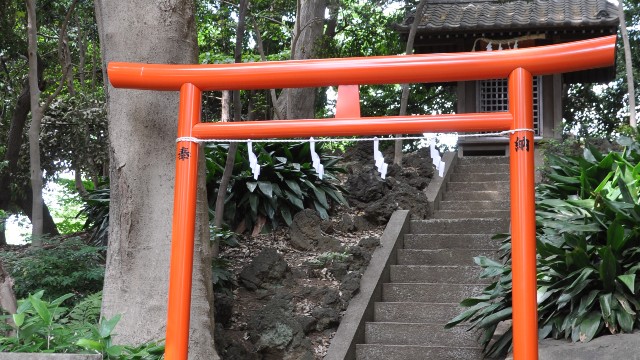
小田原市, 神奈川県
Amaterasu Omikami, Susanoo-no-kamiLocated in the scenic town of Odawara, Kanagawa Prefecture, the San'ishi Shrine is a revered Shinto...
View shrine →
小田原市, 神奈川県
AmaterasuLocated in Kamakura, the Taikomiya Shrine is one of Japan's oldest Shinto shrines, dating back to th...
View shrine →
小田原市, 神奈川県
Amaterasu ŌmikamiThe Taishogū Shrine, dedicated to the Sun Goddess Amaterasu, is one of Japan's oldest and most rever...
View shrine →
小田原市, 神奈川県
Fuji-sanWhite Mountain Shrine, located in the heart of Odawara City, is a Shinto shrine dedicated to the kam...
View shrine →
小田原市, 神奈川県
TsukiyomiTsushima Shrine, located in Odawara, Kanagawa Prefecture, is a Shinto shrine dedicated to the Kami o...
View shrine →
小田原市, 神奈川県
nullTodai-ji Shrine in Kamakura, Kanagawa Prefecture, is dedicated to the Shinto god of agriculture and...
View shrine →
小田原市, 神奈川県
InazumanokamiImanizan Shinto Shrine, located in Odawara City, Kanagawa Prefecture, is dedicated to the god of fer...
View shrine →
小田原市, 神奈川県
HachimanImaizumi Hachiman Shrine is a Shinto shrine dedicated to the god of war and medicine, located in Set...
View shrine →Jump to Shinto shrines across Japan — 108 prefectures in our directory.
Ancient joinery techniques of Japanese master craftsmen
Directory of Japanese board games and traditional games
Japanese coffee culture — kissaten, third wave and brewing guides
Explore Japan's landmarks, shrines and hidden locations
SNES and Super Famicom collection tracker
Hoshi no Isan — a Japanese-aesthetic space RPG in development
Pixel art life sim MMO — start at zero, build your life
AI-powered educational stories for kids
Japanese-aesthetic design tokens & AI-ready UI prompts

Every day, one teaching. One moment of stillness.
Kanji, meaning, and a quiet reflection — rooted in the philosophy
behind Japan's forests, seasons, and sacred silences.
Content Warning: This website explores Japanese folklore and mythological beings—including yokai, oni, and other supernatural entities—that may be frightening to younger audiences or sensitive viewers. All material is presented for educational and cultural appreciation only. Viewer discretion is advised.
Parents and guardians are encouraged to preview content before sharing it with children. By continuing to use JapaneseMythicalCreatures.com, you acknowledge and accept this advisory.
Copyright © 2026 Japanese Mythical Creatures • All Rights Reserved.