
Guhin (狗賓)

Name Meaning

Overview

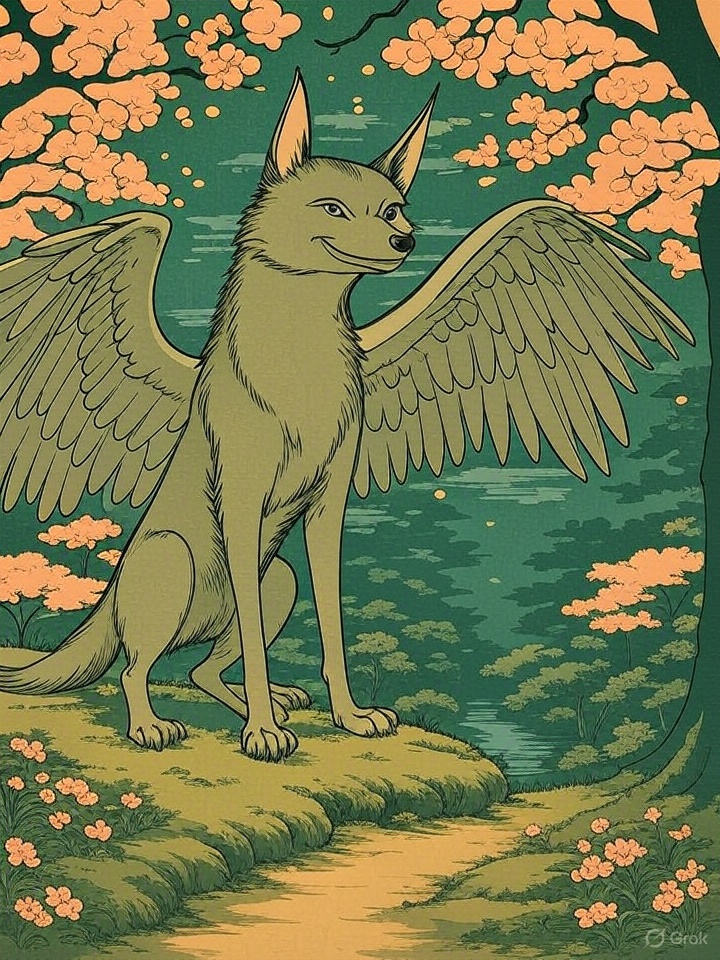
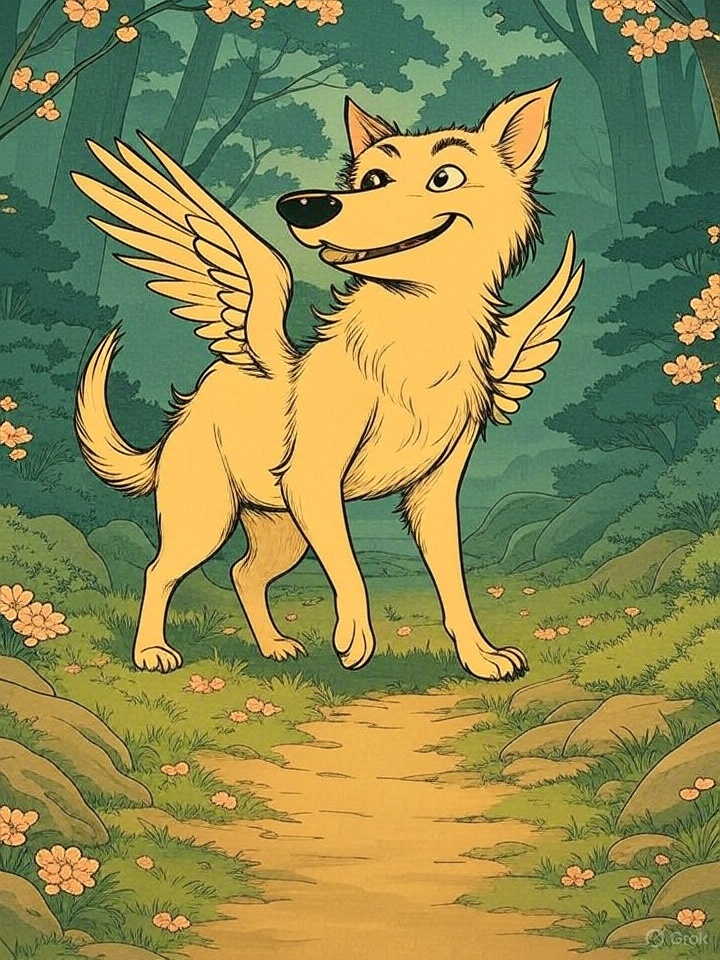
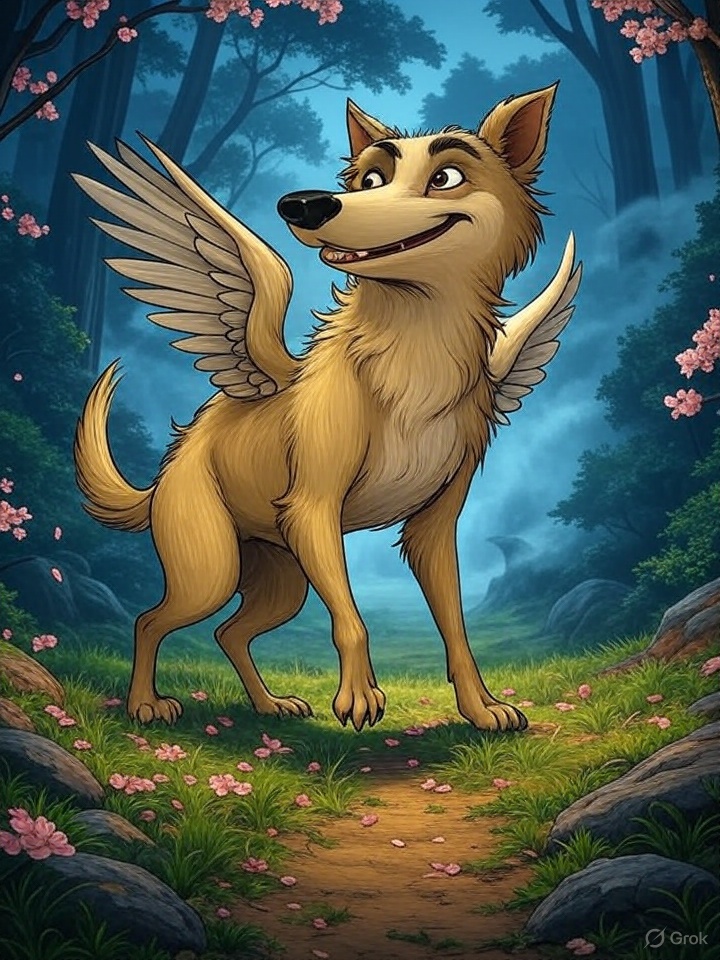
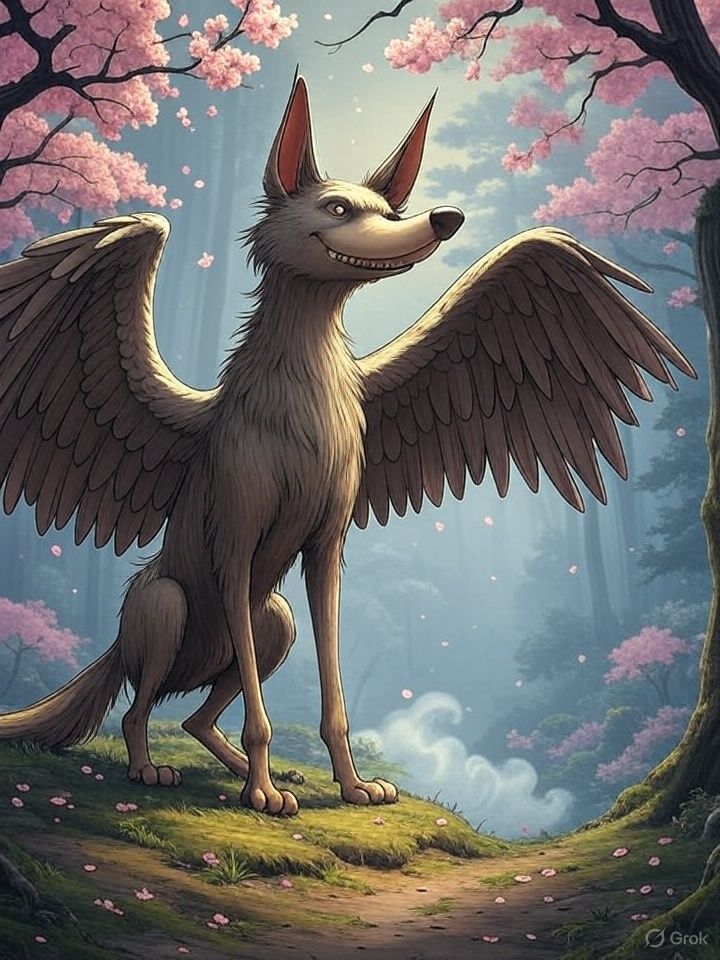
Guhin (狗賓) is a regional term for a tengu with dog-like traits. The name literally translates to "dog guest" or "dog spirit."
  • Gu (狗) = dog
  • Hin (賓) = guest or visitor

Origin

  • Associated with mountain and forest regions, especially in western Japan.
  • Considered a variant of the more bird-like tengu, with a more grounded and earthy persona.
  • Some legends treat guhin as a lesser form of tengu, others as a fearsome counterpart.

Appearance

  • Typically depicted with canine features such as a dog’s face, ears, or fur.
  • Often wears the robes and hat of a yamabushi (mountain ascetic monk).
  • Can be small and sneaky or large and fearsome depending on the region.
Guhin Yokai
Dog-like Tengu

Behavior & Myths

  • Known to cause illness, stir up storms, or possess people.
  • Sometimes revered as guardians of the mountains, punishing disrespectful intruders.
  • In some areas, guhin were blamed for mysterious disappearances or eerie howling at night.

Symbolism

  • Embodies the duality of nature spirits: benevolent protectors or wrathful avengers.
  • Represents wild mountain energy and the dangers of arrogance or spiritual imbalance.
  • Seen as spiritual challengers to those who stray from righteous paths.
Guhin mythology
Mountain dog spirit

Illustrated folktale

The tale of Guhin

Illustrated folktale banner for Guhin

In the mist-shrouded mountains of Akō, where cedar trees pierced the sky and rivers sang their lullabies, there lived a young ascetic named Kaito. He had left his village to seek enlightenment among the peaks, donning the simple robes of a yamabushi monk.

Kaito spent many moons meditating beneath the cedars, yet he never felt the calm wash over him as it should have. Night after night, he would hear the haunting howls echoing through the valleys, making his skin prickle with unease. The villagers whispered about the guhin, a creature said to be a twisted mix of dog and man, that roamed these mountains.

One evening, while Kaito was out collecting herbs for his tea, he stumbled upon an ancient stone carving in the underbrush. It depicted a canine visage with eyes aglow like embers, wearing the very same robes as Kaito's own. The drawing seemed to pulse with an otherworldly energy.

As if responding to the drawing, the howling ceased, and an unsettling silence fell over the forest. Kaito felt an unseen presence drawing near. Suddenly, a gust of wind swept through the trees, and he saw it: a being unlike any he had ever imagined. Its fur was matted with twigs and leaves, its eyes blazing like hot coals as it regarded him.

"Guhin," Kaito whispered, using the name that seemed to be both reverence and terror in one breath. The creature regarded him for a moment before turning away, disappearing into the darkness.

Days passed, and Kaito's visions grew more vivid. He beheld visions of the forest as it truly was: a realm of primal power where guhin ruled with an iron paw. In his dreams, he saw the villagers who had once revered these creatures now seeking to tame them, to harness their ferocity for their own purposes.

Kaito realized that his meditations had stirred something within the depths of the forest. The guhin sensed his dissonance, his failure to align himself with the natural order. The ascetic vowed to mend his ways, to balance his own inner turmoil with the symphony of the mountains.

And so he set out on a new path, one that wove together the threads of yamabushi wisdom and the wild mystery of the guhin's domain. As he walked, the howling ceased, replaced by an uncanny stillness. Kaito felt the forest breathe with him, the ancient heartbeat synchronizing his own pulse.

In the years that followed, travelers spoke of a yamabushi who communed with the spirits of Akō's mountains. They said Kaito's robes were now stained with earth and leaves, his eyes shining with an unyielding compassion. Some claimed to have seen him pacing through the forest, hand in paw with the guhin itself, as if sharing a secret that only they could comprehend.

Those who ventured into those mist-shrouded mountains whispered tales of the mysterious balance between human and mountain, and the quiet reverence of Kaito, the ascetic who learned to respect the unfathomable depths of Akō's wild heart.

Browse all illustrated folktales

Japanese Culture Network

Japanese Mythical Creatures

Yokai, oni, kitsune and spirits from folklore

ShrinePuzzle

Directory of Japanese board games and traditional games

Pixel Gacha

Verified itch.io pixel-art gacha — fair odds, no ads

Japan Radio Guide

Reference guides for classic Japanese ham radios

Japanese Wood Joints

Ancient joinery techniques of Japanese master craftsmen

E2Japan

Explore Japan's landmarks, shrines and hidden locations

The 725 Club

SNES and Super Famicom collection tracker

Spaceship Adventures

Hoshi no Isan — a Japanese-aesthetic space RPG in development

Uptown Zero

Pixel art life sim MMO — start at zero, build your life

Book Fairy Tales

AI-powered educational stories for kids

CSSKitsune

Japanese-aesthetic design tokens & AI-ready UI prompts

Shinto Wisdom app icon
Free App · No Ads · Offline

Shinto Wisdom Daily Practice

by 10k Game Studio

Every day, one teaching. One moment of stillness.
Kanji, meaning, and a quiet reflection — rooted in the philosophy behind Japan's forests, seasons, and sacred silences.

結び Musubi 清め Harae 自然 Shizen 間 Ma 誠 Makoto + 45 more
Get it on Google Play