

While most kappa are depicted as hairless, scaly river spirits, Japanese folklore also includes hairy kappa (毛河童)—variants covered in thick fur or hair. The most documented is the Hyōsube (兵主部) of Kyushu, with other regional names such as Kawako referring to hairy or distinctive kappa-like beings.
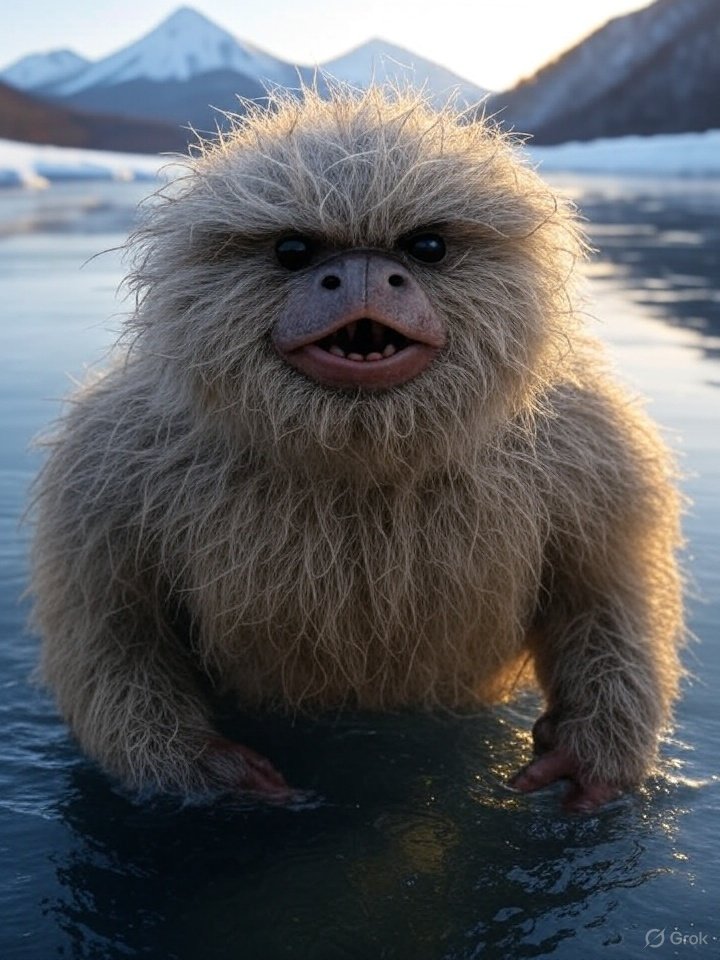
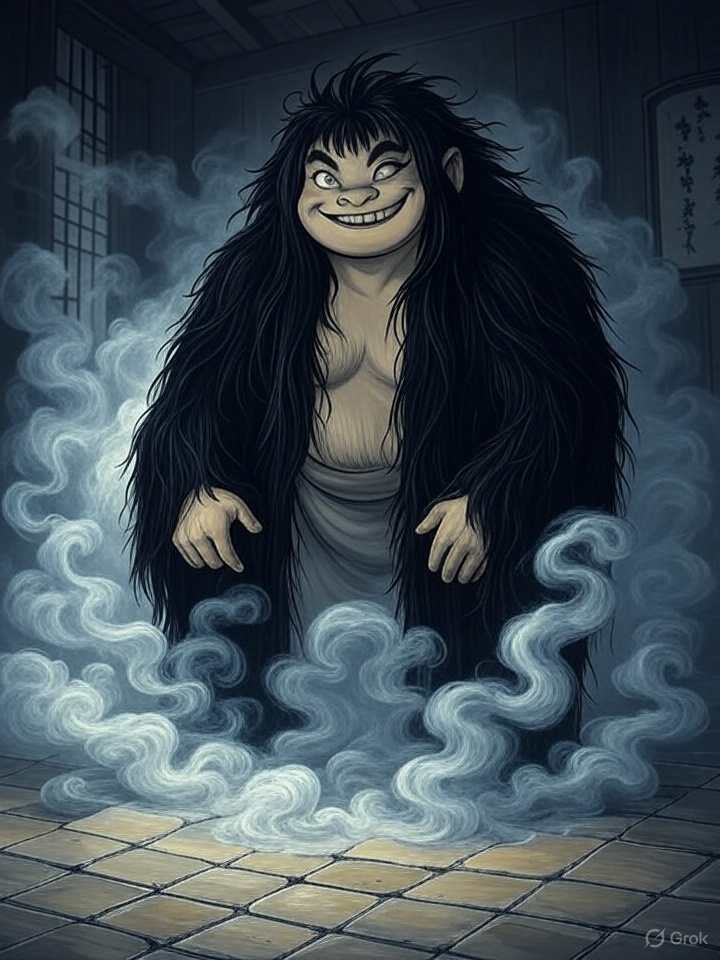
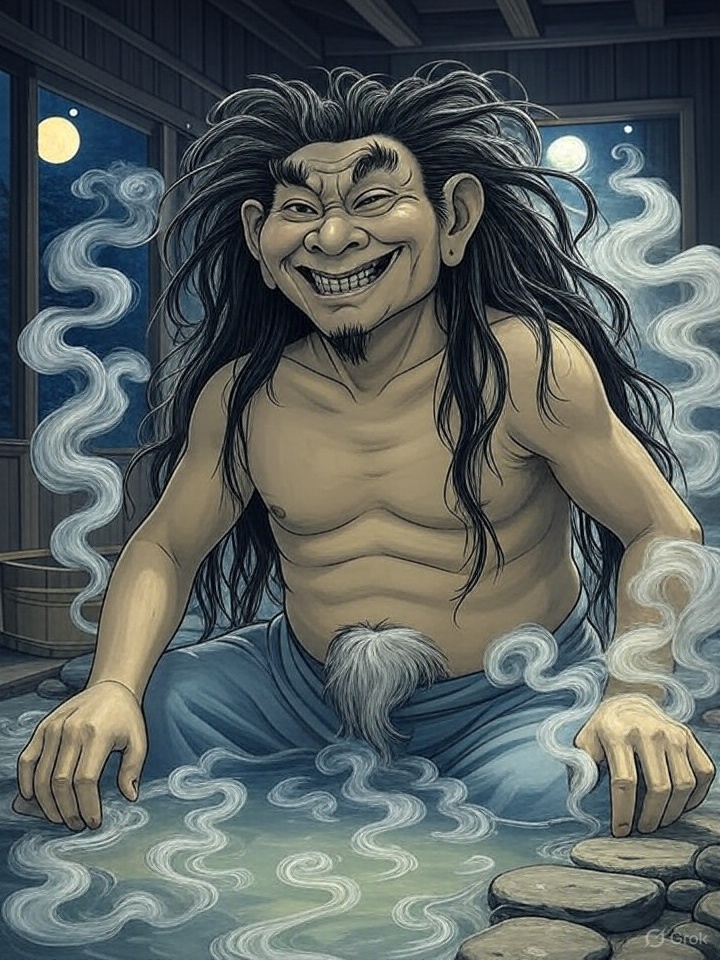
The Hyōsube (兵主部) is the best-known hairy kappa. It originates from southern Kyushu and western Japan and is said to sneak into homes and bathe without invitation. Its body is short and hunched, covered in wild, sticky hair. If a household complains about the hair it leaves in the bath or treats it rudely, the Hyōsube may curse them with illness or misfortune. In some areas it was worshipped or offered respect to avoid its wrath.
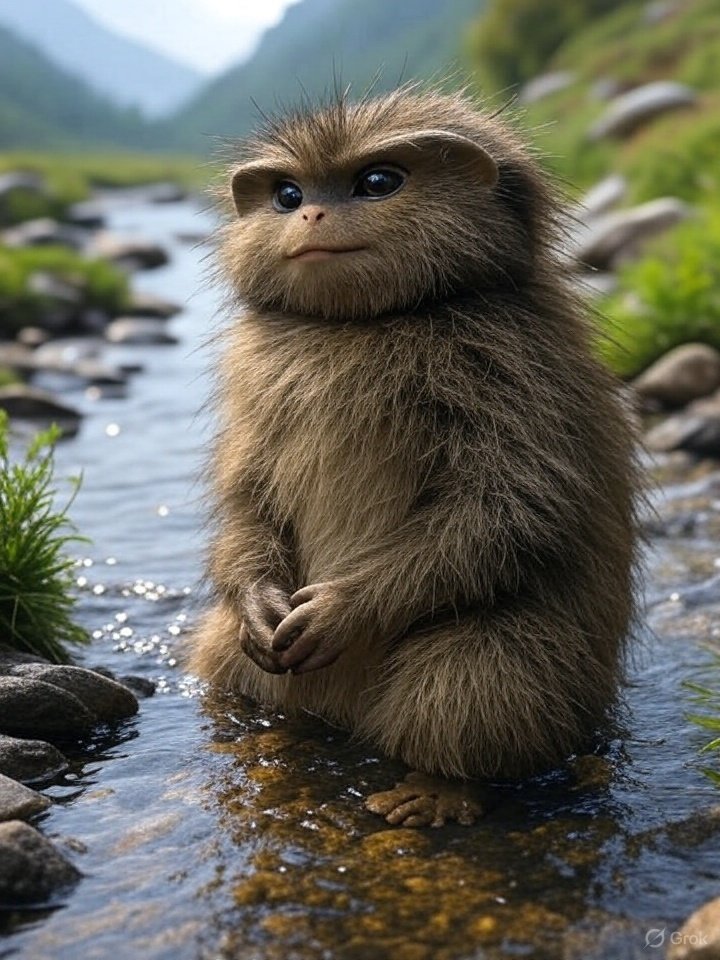
“Kawako” and similar regional terms are used in various parts of Japan for kappa-like creatures that sometimes have hairy or non-classic features. These variants share the kappa’s bowl-shaped head, webbed limbs, fondness for cucumbers, and tendency to challenge humans to sumo or play tricks—but with local twists in appearance and behavior.
Illustrated folktale

In the misty mountains of Hyōsube's ancestral home, where the rivers flowed with a gentle song, there lived a young girl named Konomi. She was a kind soul, loved by all who knew her, and her family's bathhouse stood as a beacon of hospitality to weary travelers.
But the people whispered among themselves: "Beware the Hairy Kappa that haunts these waters." They told tales of its shaggy form, with eyes like lanterns in the dark, and how it would steal away into their baths, leaving behind clumps of coarse hair as a calling card. Some said it was a prankster, others a malevolent spirit, but all agreed on one thing: disrespect this creature, and you shall suffer.
One evening, as the sun dipped behind the mountains, Konomi's mother, Yumi, warned her daughter to be mindful of their guests. "We must not only welcome them with open arms," she said, "but also show respect for the spirits that dwell in these waters."
That night, a weary traveler stumbled into their bathhouse, seeking refuge from the rain. Konomi's family took him in, offering warm tea and gentle words. But as he soaked his weary bones in the hot spring, a rustling sound echoed through the baths – the Hairy Kappa's distinctive call.
At first, they thought it just a trick of the wind or the creaking of old wooden boards. But then, a shaggy form emerged from the shadows, its eyes aglow like embers. The traveler froze, but Konomi's family remained calm, knowing that respect was key.
The Hairy Kappa approached Yumi, its webbed feet slapping against the stone floor. It regarded her with a stern expression, as if evaluating their worthiness to share this space. Konomi's mother bowed deeply, saying, "We welcome you, noble spirit of the waters. We offer our respect and our gratitude for sharing your home with us."
The Hairy Kappa nodded its shaggy head, seeming to approve. It then turned to the traveler, who, still frightened, hesitated to acknowledge this strange creature. But Konomi's family encouraged him to follow Yumi's lead.
As the stranger bowed and spoke his words of respect, a change came over the Hairy Kappa. Its expression softened, its eyes sparkling with amusement. It playfully splashed water from its depression onto the traveler's chest, as if saying, "Now you understand? Treat us with kindness, and we shall share our wisdom with you."
The next morning, the traveler woke feeling refreshed and renewed. He thanked Konomi's family for their hospitality and asked to learn more about these mysterious waters. Yumi led him to a hidden clearing deep in the mountains, where she taught him about the medicinal herbs that grew along the riverbanks.
As they walked back to the bathhouse, the Hairy Kappa appeared once more, its shaggy form leading the way through the misty dawn. The traveler realized that this spirit had been guiding them all along, ensuring that their respect for the land and its inhabitants would be rewarded with wisdom and healing knowledge.
From that day on, travelers from far and wide came to seek out Konomi's family and learn from the Hairy Kappa's ancient wisdom. And whenever they arrived at the bathhouse, they were reminded of the importance of treating all creatures – strange or familiar – with kindness, respect, and a willingness to listen.
Yokai, oni, kitsune and spirits from folklore
Directory of Japanese board games and traditional games
Verified itch.io pixel-art gacha — fair odds, no ads
Reference guides for classic Japanese ham radios
Ancient joinery techniques of Japanese master craftsmen
Explore Japan's landmarks, shrines and hidden locations
SNES and Super Famicom collection tracker
Hoshi no Isan — a Japanese-aesthetic space RPG in development
Pixel art life sim MMO — start at zero, build your life
AI-powered educational stories for kids
Japanese-aesthetic design tokens & AI-ready UI prompts

Every day, one teaching. One moment of stillness.
Kanji, meaning, and a quiet reflection — rooted in the philosophy
behind Japan's forests, seasons, and sacred silences.
Content Warning: This website explores Japanese folklore and mythological beings—including yokai, oni, and other supernatural entities—that may be frightening to younger audiences or sensitive viewers. All material is presented for educational and cultural appreciation only. Viewer discretion is advised.
Parents and guardians are encouraged to preview content before sharing it with children. By continuing to use JapaneseMythicalCreatures.com, you acknowledge and accept this advisory.
Copyright © 2026 Japanese Mythical Creatures • All Rights Reserved.