

Baku (獏) is a supernatural being in Japanese folklore known to devour bad dreams and protect sleepers from nightmares. The concept is believed to originate from ancient Chinese legends and has deep roots in Japanese spiritual practices.
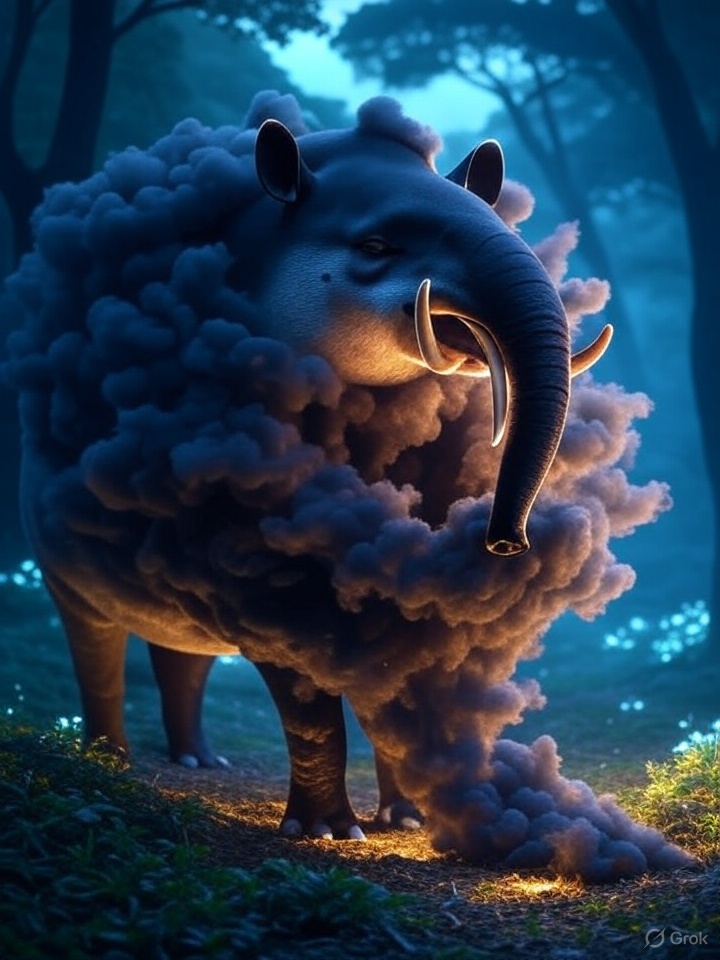
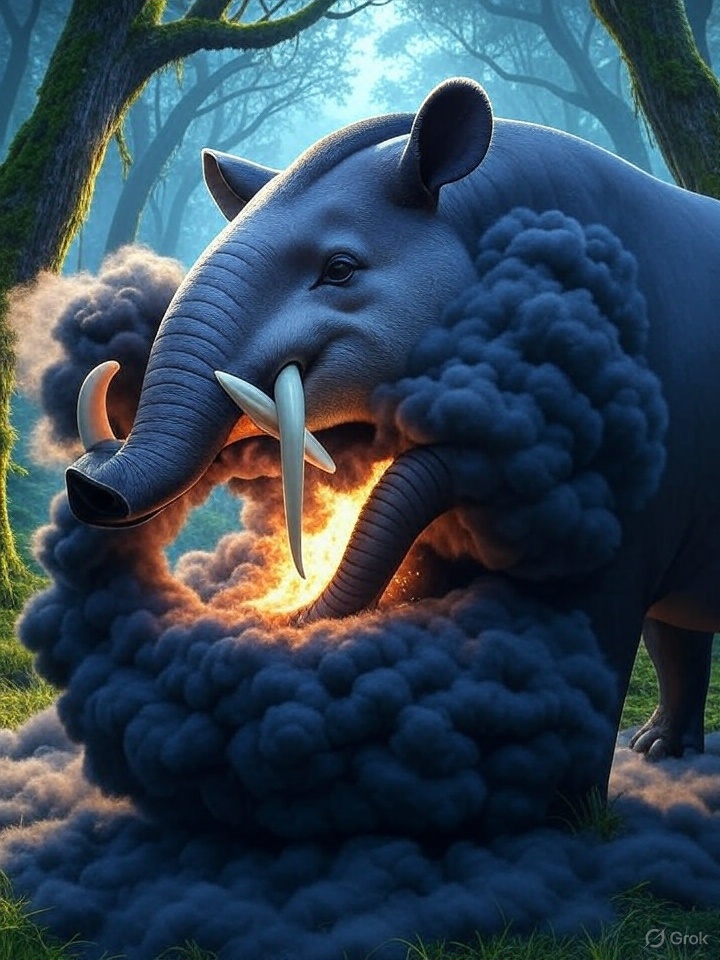
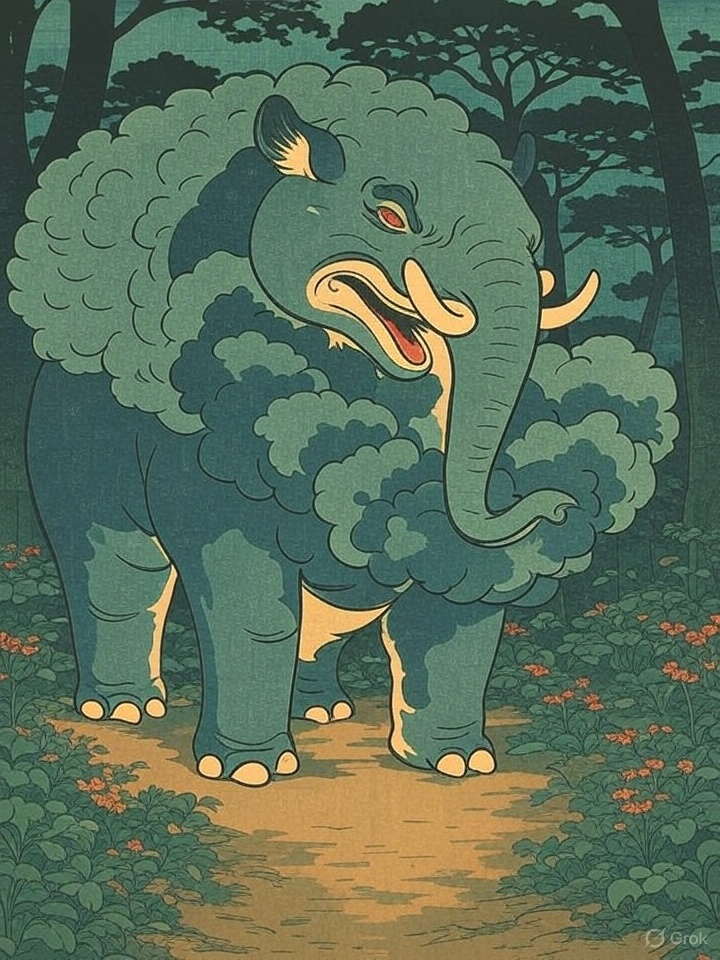
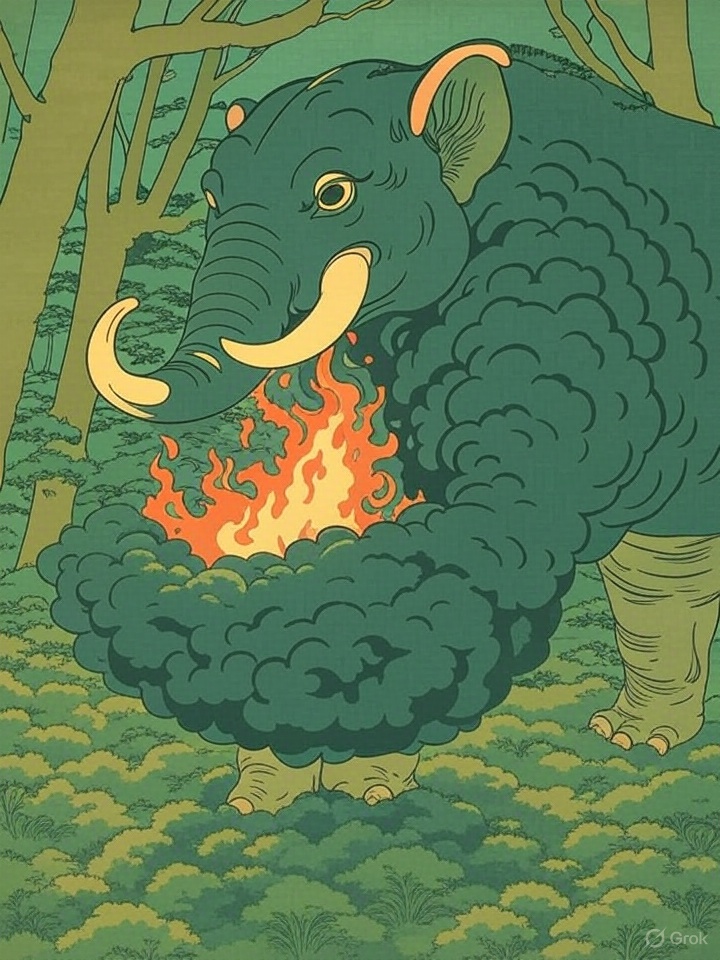
Illustrated folktale

In a village nestled in the heart of the mountains, where cherry blossoms bloomed for but a fleeting moment each spring, there lived an old woman named Emiko. Her home was a small cottage on the outskirts of the village, surrounded by fields that stretched as far as the eye could see. Emiko's life had been one of hardship and struggle, her days filled with the toil of farming and the sorrow of loss.
As the years passed, Emiko grew weary of the world. Her once-lively spirit was crushed beneath the weight of her troubles. She would often lie awake at night, her mind tormented by dark visions that came unbidden in her dreams. It was then that she began to call out to the Baku, a creature from far-off lands with a taste for nightmares.
"Baku, come eat my dream," Emiko would whisper into the darkness, her voice barely audible over the creaking of the wind outside. And though it seemed foolish to some, and even the village elder had warned against such superstitions, Emiko felt an inexplicable sense of comfort in summoning the Baku.
One fateful night, as a fierce storm raged through the valley below, a faint rustling sound came from outside Emiko's cottage. She opened her door to find a creature unlike any she had ever seen standing before her. Its body was that of a great bear, its trunk twisted and curved like an elephant's, its eyes glowing with a soft, ethereal light reminiscent of the rhinoceros that roamed the savannas far away.
The Baku regarded Emiko with gentle kindness, as if it had known her all along. Its massive form seemed to fill the room, yet it moved with a quiet reverence, its tail swishing gently behind it like an ox's. As it approached, Emiko felt a strange sense of calm wash over her, her nightmares dissipating like wisps of smoke on the wind.
Without a word, the Baku began to devour the shadows that danced across Emiko's walls. Its trunk writhed and twisted, consuming the darkness with an appetite both fierce and benevolent. As it ate, the air in the room seemed to clear, the very atmosphere lightening as if a weight had been lifted from Emiko's shoulders.
And when the creature finally departed, leaving behind only the faint scent of blooming cherry blossoms, Emiko felt reborn. Her spirit, once crushed beneath the weight of her troubles, now soared like a bird set free. Though she would never be free from hardship entirely, Emiko knew that as long as the Baku stood watch over her dreams, she need never face them alone.
From that day on, Emiko's cottage became a beacon for weary travelers and troubled souls, all drawn by the promise of peace that lay within its walls. And though the villagers whispered among themselves about the strange creature that had appeared to their friend, they too began to call out to the Baku in times of need, knowing that its presence brought solace and comfort to those who dwelled in the shadows.
Yokai, oni, kitsune and spirits from folklore
Directory of Japanese board games and traditional games
Verified itch.io pixel-art gacha — fair odds, no ads
Reference guides for classic Japanese ham radios
Ancient joinery techniques of Japanese master craftsmen
Explore Japan's landmarks, shrines and hidden locations
SNES and Super Famicom collection tracker
Hoshi no Isan — a Japanese-aesthetic space RPG in development
Pixel art life sim MMO — start at zero, build your life
AI-powered educational stories for kids
Japanese-aesthetic design tokens & AI-ready UI prompts

Every day, one teaching. One moment of stillness.
Kanji, meaning, and a quiet reflection — rooted in the philosophy
behind Japan's forests, seasons, and sacred silences.
Content Warning: This website explores Japanese folklore and mythological beings—including yokai, oni, and other supernatural entities—that may be frightening to younger audiences or sensitive viewers. All material is presented for educational and cultural appreciation only. Viewer discretion is advised.
Parents and guardians are encouraged to preview content before sharing it with children. By continuing to use JapaneseMythicalCreatures.com, you acknowledge and accept this advisory.
Copyright © 2026 Japanese Mythical Creatures • All Rights Reserved.