
Ameonna (雨女)

Name Meaning

Overview

Ameonna (雨女) is a spirit or yokai depicted as a mysterious woman associated with rainfall. Often seen appearing during storms or gloomy weather, she is said to bring rain wherever she goes—sometimes considered a blessing, sometimes a curse.

  • Ame (雨) = Rain
  • Onna (女) = Woman → “Rain Woman”

Origin

  • First cataloged in Edo-period yokai collections, such as those by Toriyama Sekien.
  • May have connections to Shinto rain spirits or deities that control the weather.

Appearance

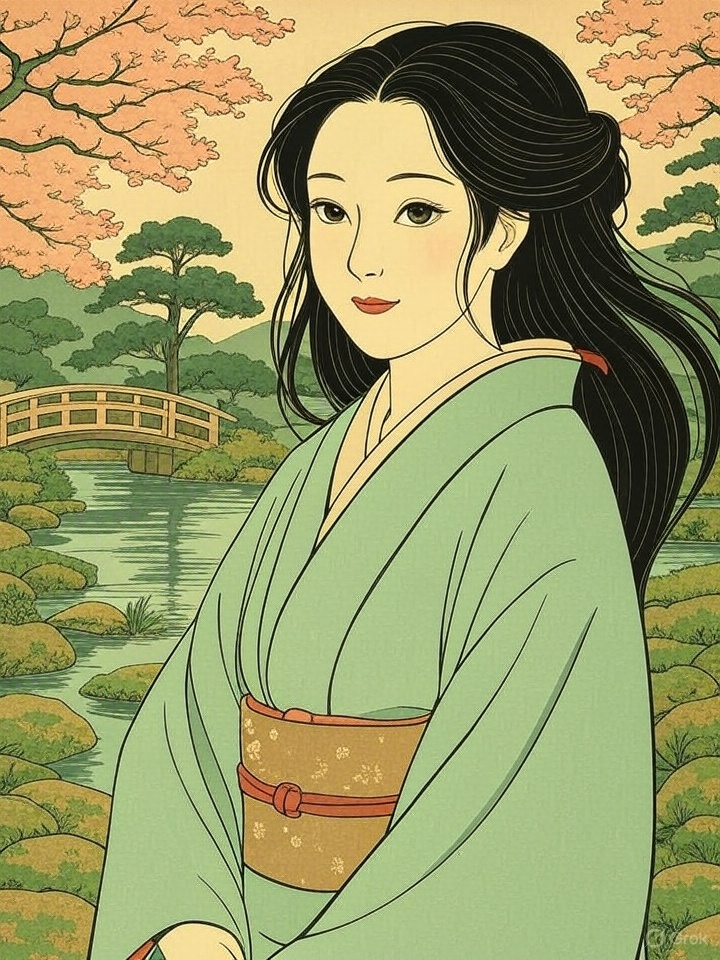
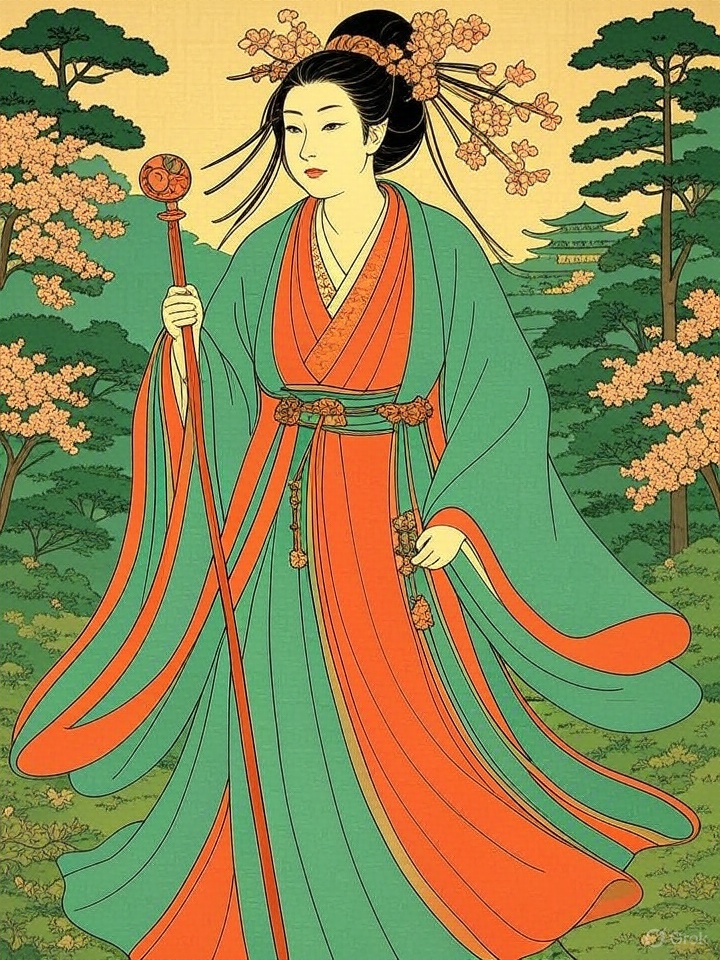
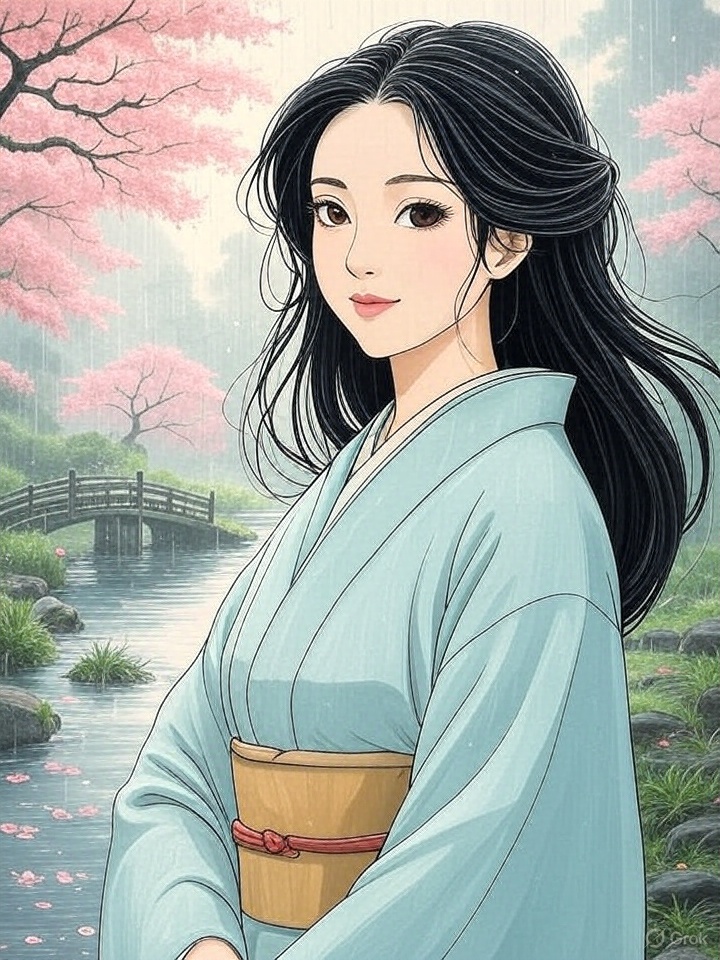
  • A beautiful but ghostly woman dressed in a wet kimono.
  • Often depicted standing quietly under dripping rain with soaked hair clinging to her face.
  • Sometimes carries an umbrella or simply walks barefoot through puddles.
Ameonna rain spirit illustration
Mysterious woman yokai

Behavior & Interpretations

  • Brings rain to drought-stricken lands—or unwanted downpours during celebrations.
  • Sometimes viewed as a lonely or wandering ghost who cries through the rain.
  • In modern culture, the term “ameonna” is jokingly used for someone who always brings bad weather.

Symbolism

  • Symbolizes renewal, sadness, and unpredictability of nature.
  • Embodies the duality of water—nurturing yet disruptive.
  • Reflects traditional Japanese views on the emotional power of weather.
Rain yokai woman
Ameonna ghostly form

Illustrated folktale

The tale of Ameonna

Illustrated folktale banner for Ameonna

In the village of Katsuragi, nestled between two great mountains, a gentle yet mournful rain fell for seven days and nights. The crops withered, the rivers swelled, and the villagers huddled indoors, listening to the patter on their roofs.

It was said that on such occasions, the Ameonna would appear, weeping tears of rain to bring relief to parched lands. Some claimed to have seen her – a fleeting glimpse of a woman in a soaked kimono, hair clinging to her face like seaweed to a rock. Others spoke of the sound of bare feet padding through puddles, the soft whisper of an umbrella opening and closing.

The villagers' children would playfully shout "Ameonna-kun!" when their elders scolded them for spilling soup or knocking over a candle. For in their jests, they called themselves "ameonna" – bringers of bad weather.

But one villager, a young woman named Emiko, took the rumors seriously. She believed that on this particular rainy spell, the Ameonna's tears held a deeper meaning. As she walked through the deserted streets, Emiko noticed something peculiar: each puddle reflected the dark sky above like a mirrored pool of sorrow.

Entranced by the watery echoes, Emiko wandered to the edge of the village, where a lone tree stood like a sentinel amidst the deluge. Beneath its boughs, she found an umbrella – old and worn, but still sturdy enough to shelter one from the rain. The wind whispered secrets in her ear as she lifted it, feeling an unexpected calm.

As Emiko walked further into the storm, following the rhythm of her footsteps in the puddles, she felt a presence beside her. A woman in a dripping kimono stood silently by – not crying out in despair, but quietly weeping, like a slow river flowing to its destination.

Emiko did not flee; instead, she offered the umbrella's rim to the mysterious figure, who took it without a word. Together, they traversed the rain-soaked landscape, Emiko learning that the Ameonna was not just a harbinger of rain, but a messenger between the skies and the earth.

As they walked, the village behind them began to transform: crops greened, rivers cleared, and the sky lightened above. With each step, the Ameonna's tears transformed from rain to dew, and Emiko felt her own heart grow lighter – as if she'd discovered a secret language that only nature understood.

When the storm finally passed, leaving behind a radiant rainbow arcing over Katsuragi village, Emiko turned to the Ameonna. "Why do you weep?" she asked, voice barely above a whisper.

The woman in the soaked kimono looked down at her hands, holding the umbrella still dripping with water. For an instant, Emiko saw two rain-kissed faces merge – her own and that of the mysterious figure.

"I am sorrow," the Ameonna replied, "but I also bring life." Her voice was a gentle echo in the wind's silence. With those words, she vanished into the misty veil of the mountains, leaving Emiko to ponder the duality within herself – and the rain-soaked earth that nurtured her village once more.

Browse all illustrated folktales

Japanese Culture Network

Japanese Mythical Creatures

Yokai, oni, kitsune and spirits from folklore

ShrinePuzzle

Directory of Japanese board games and traditional games

Pixel Gacha

Verified itch.io pixel-art gacha — fair odds, no ads

Japan Radio Guide

Reference guides for classic Japanese ham radios

Japanese Wood Joints

Ancient joinery techniques of Japanese master craftsmen

E2Japan

Explore Japan's landmarks, shrines and hidden locations

The 725 Club

SNES and Super Famicom collection tracker

Spaceship Adventures

Hoshi no Isan — a Japanese-aesthetic space RPG in development

Uptown Zero

Pixel art life sim MMO — start at zero, build your life

Book Fairy Tales

AI-powered educational stories for kids

CSSKitsune

Japanese-aesthetic design tokens & AI-ready UI prompts

Shinto Wisdom app icon
Free App · No Ads · Offline

Shinto Wisdom Daily Practice

by 10k Game Studio

Every day, one teaching. One moment of stillness.
Kanji, meaning, and a quiet reflection — rooted in the philosophy behind Japan's forests, seasons, and sacred silences.

結び Musubi 清め Harae 自然 Shizen 間 Ma 誠 Makoto + 45 more
Get it on Google Play